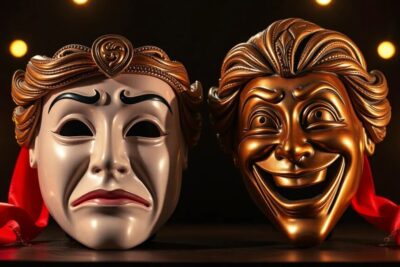
The History and Meaning of Noh Masks in Japanese Theater

Did you know that the art of Noh theater dates back to the 14th century in Japan, making it one of the oldest theatrical forms still performed today? Noh is renowned not only for its austere beauty and poetic language but also for its striking visual elements, particularly the Noh masks that convey a wide range of emotions and character types. These masks, intricately carved and painted, serve as a vital tool in the Noh performance, allowing actors to portray various roles with a depth that transcends mere words.
Exploring the realm of Noh masks unveils a rich tapestry of symbolism, cultural significance, and artistic craftsmanship. This article will delve into the history and evolution of these remarkable masks, their significance in Japanese Noh theater, the various types and their meanings, and the cultural contexts that shape their use. By the end, you’ll not only appreciate the beauty of these masks but also understand the profound messages they convey in the world of Noh.
The Historical Background of Noh Masks
The roots of Noh theater can be traced back to the 14th century, evolving from earlier forms of entertainment such as the Sangaku and Dengaku, which were popular among the common people. As these forms progressed, they gained sophistication, leading to the emergence of Noh as a refined art form sponsored by the samurai class. The use of Noh masks became integral during this evolution, allowing actors to express complex characters and emotions without the need for elaborate gestures or dialogue.
The earliest Noh masks were simple and often made from materials that were readily available, such as wood or bark. However, as the art form matured, so did the craftsmanship. Artisans began to employ techniques that allowed them to create more nuanced expressions. The masks became symbols of the characters they represented, embodying specific traits and emotions that were crucial for the storytelling aspect of Noh performances. The masks are categorized into various types, each serving a particular purpose and embodying a specific character's essence.
By the 16th century, Noh masks had reached a level of sophistication that reflected the culture and society of the time. They were not just tools for performance; they became a reflection of the spiritual and philosophical beliefs of the Japanese people. The masks were often imbued with meanings that resonated with the audience, drawing them into the narrative and connecting them with the deeper themes of life, death, and the supernatural.
The Artistic Craftsmanship of Noh Masks
Creating a Noh mask is a meticulous process, requiring both artistic skill and an understanding of the character it represents. Traditionally crafted from Japanese cypress wood, each mask is hand-carved by skilled artisans who have often spent years perfecting their craft. The process begins with selecting the right piece of wood, which is then carefully shaped into the desired form. This is an art that demands precision, as even the slightest imperfection can alter the mask's expression.
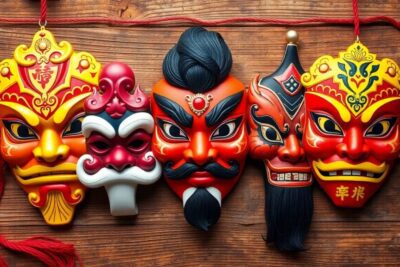
Once the basic shape is carved, the artisan begins to refine the details that will give the mask its unique expression. This includes the eyes, mouth, and other features, which are crucial in conveying emotion. For instance, a Hannya mask, representing a woman transformed by jealousy and rage, features sharp, pointed horns and a fierce expression, while a No mask might display a serene visage, embodying tranquility. The painting process adds another layer of depth, with colors and finishes that enhance the character's personality.
The symbolic meanings embedded in each mask are equally important. For example, the Kishin Noh mask, representing a protective deity, is designed to evoke feelings of strength and safety. In contrast, the Onryō mask, which symbolizes a vengeful spirit, carries a haunting aura that captivates the audience. This thoughtful craftsmanship ensures that each mask serves not only as a physical representation of a character but also as a vehicle for conveying complex emotions and themes.
Types of Noh Masks and Their Meanings
Noh masks come in various types, each crafted for specific roles within the performance. The primary categories include male, female, and spirits, with each type representing a different aspect of the human experience. Understanding these categories provides insight into the characters portrayed in Noh theater.
The male masks often depict characters such as warriors, gods, or historical figures. One notable example is the Tōrō, a mask representing a noble and dignified male presence. Conversely, female masks are designed to embody the grace and subtlety of women in various roles, from the youthful and innocent to the wise and mature. The Fukai mask is a classic representation of an old woman, showcasing the nuanced expressions that convey age and wisdom.
Additionally, there are masks representing spirits and supernatural beings. The aforementioned Hannya mask is a prime example, illustrating the transformation of a woman into a demon due to her overwhelming emotions. This mask not only represents the character's psychological state but also reflects the cultural beliefs surrounding jealousy and vengeance in Japanese society. The Noh mask meaning is layered, allowing audiences to engage with the characters on both an emotional and intellectual level.
The Role of Noh Masks in Performance
In Noh theatre, the use of masks is not merely decorative; it is a fundamental aspect of the performance that transcends the physicality of acting. The actor's movements, combined with the mask's expressive capabilities, create a unique form of storytelling that captivates audiences. The subtlety of expression in a Noh mask allows for a profound connection between the performer and the audience, as the mask serves as a medium for conveying emotions that words alone cannot capture.
The performance style of Noh is characterized by slow, deliberate movements, which are complemented by the use of masks. An actor wearing a mask must rely on body language and posture to express the character's feelings, as the mask limits facial movements. This challenge enhances the artistry of the performance, requiring the actor to embody the character fully. The interplay between the mask and the actor's movements creates a hauntingly beautiful experience that resonates deeply with the audience.
Moreover, the ritualistic aspects of Noh performances are closely tied to the significance of the masks. Each mask is often associated with specific rituals and traditions, reflecting the spiritual beliefs of the time. For example, during certain performances, the masks are treated with reverence, as they are believed to hold the spirits of the characters they represent. This ritualistic treatment adds a layer of meaning to the performance, inviting the audience to contemplate the connections between the physical world and the spiritual realm.
Cultural Significance of Noh Masks
The significance of Noh masks extends beyond their use in theater; they serve as cultural artifacts that reflect the values and beliefs of Japanese society. Noh as an art form has historically been a means of preserving folklore, history, and spiritual beliefs. The masks, with their rich symbolism and intricate designs, embody these cultural narratives, allowing them to be passed down through generations.
Each mask tells a story, often rooted in ancient myths, legends, or historical events. For instance, the Onryō mask draws from the belief in vengeful spirits in Japanese folklore, illustrating the cultural understanding of the consequences of unresolved emotions. Similarly, the Hannya mask serves as a cautionary tale about the dangers of jealousy and rage, reflecting broader societal values regarding emotional balance and harmony.
In contemporary times, Noh masks continue to play a vital role in preserving traditional Japanese culture. While Noh theater itself may seem distant from modern life, the themes explored in these performances—love, loss, revenge, and redemption—remain relevant. The masks serve as a bridge between the past and present, allowing modern audiences to connect with their cultural heritage while engaging with timeless human experiences.
The Global Influence of Noh Masks
While deeply rooted in Japanese culture, the influence of Noh masks has transcended geographical boundaries, inspiring artists and performers worldwide. The aesthetic and symbolic elements of Noh theater have been embraced in various forms of art, including modern theater, dance, and visual arts. This global appreciation reflects the universal themes found within Noh performances, as well as the striking beauty of the masks themselves.
Artists from different cultures have drawn inspiration from Noh masks, incorporating their designs and meanings into their work. This cross-cultural exchange highlights the power of masks as a form of storytelling that resonates across time and space. Moreover, the techniques used in crafting Noh masks have influenced modern mask-making practices, leading to a renewed interest in traditional arts and crafts.
Furthermore, contemporary adaptations of Noh theater are being explored, blending traditional elements with modern narratives and performance styles. This evolution not only keeps the art form alive but also invites new generations to engage with the rich history and cultural significance of Noh masks. By bridging the gap between tradition and innovation, these modern interpretations ensure that the legacy of Noh and its masks continues to thrive in the global cultural landscape.
Explore More Mask Stories 👇