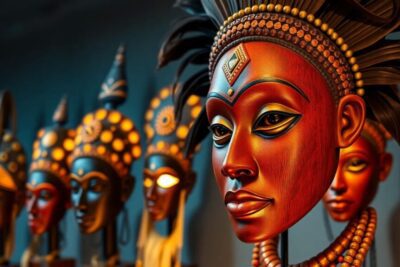
History and Origin of Masks
Masks have been an integral part of human culture for centuries, serving various purposes that range from the sacred to the profane. These fascinating artifacts embody a rich tapestry of history, art, and societal functions. In this exploration, we delve into the diverse histories of masks across different cultures, revealing their significance and evolution through time.
History of African masks
African masks are among the most diverse and expressive in the world. Traditionally, they have been used in rituals aimed at communicating with ancestral spirits or deities. The creation of these masks is often steeped in symbolism, with each design reflecting the beliefs and values of the culture from which it originates.
Some common purposes include:
- Ritualistic ceremonies: Masks are often worn during initiation rites, funerals, and harvest festivals.
- Dance: Many masks are integral to traditional dances, serving as a means of embodying spirits or ancestors.
- Artistic expression: They showcase the exceptional craftsmanship and artistic styles unique to various ethnic groups.
Through the centuries, African masks have continued to evolve, resonating with contemporary art and culture while maintaining their traditional roots.
History of Egyptian masks
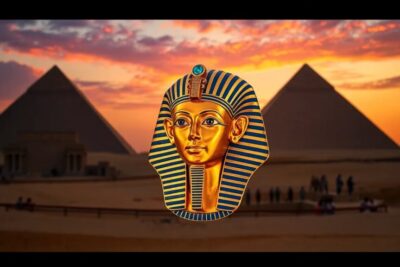
In ancient Egypt, masks held a profound significance, often associated with the afterlife and the divine. They were meticulously crafted to preserve the identity of the deceased and to facilitate their journey into the next world. The most famous of these is the golden mask of Tutankhamun, which exemplifies the artistry of Egyptian craftsmanship.
Key aspects of Egyptian masks include:
- Funerary practices: Masks were placed on mummies to protect the soul.
- Symbolism: Often depicted gods or goddesses, embodying various attributes such as protection and rebirth.
- Materials: Crafted from gold, wood, or painted cloth, showcasing the wealth and status of the individual.
The intricate designs and symbols used in Egyptian masks reflect a society deeply intertwined with spirituality and the afterlife.
History of Korean masks
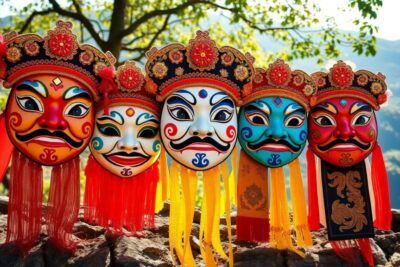
Korean masks, known as "tal," have a vibrant history that spans centuries. Initially, they served shamanic purposes but later became prominent in theatrical performances, particularly in traditional Korean mask dances like "Talchum." These masks are characterized by their unique expressions, which convey a range of emotions.
Their uses include:
- Shamanistic rituals: Employed by shamans to channel spirits during ceremonies.
- Theater: Integral to storytelling in traditional performances, where masks represent various characters.
- Cultural identity: Reflecting social norms and critiques of society through exaggerated features.
Today, Korean masks remain a celebrated aspect of cultural heritage, showcasing the artistry and traditions of Korea.
History of Venetian masks
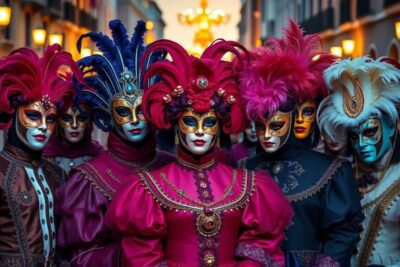
The Venetian carnival is world-renowned, and its masks are iconic symbols of mystery and festivity. Originating in the 13th century, these masks were used to conceal identities during the carnival season, allowing people from different social classes to interact freely.
Key highlights of Venetian masks include:
- Designs: Ranging from simple to highly ornate, often adorned with feathers, jewels, and intricate paintings.
- Symbolism: Masks symbolize freedom and the idea of transformation, enabling wearers to assume new identities.
- Craftsmanship: Artisans dedicate years to mastering the delicate art of mask-making, using traditional techniques.
The enduring appeal of Venetian masks lies in their ability to evoke a sense of wonder and anonymity, creating a magical atmosphere during the carnival.
History of Chinese masks
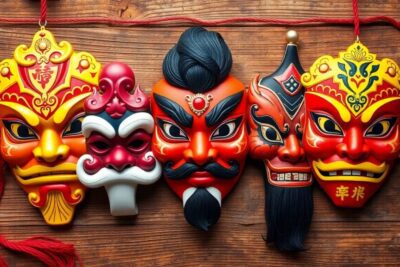
Chinese masks have a long-standing tradition and are integral to various cultural expressions, including opera and festivals. They are often associated with specific characters in traditional Chinese opera, each mask reflecting the traits and attributes of that character.
Some significant aspects include:
- Beijing Opera: Masks are used to represent different characters and their personalities.
- Festivals: Masks play a vital role in celebrations like the Lunar New Year, symbolizing good fortune.
- Artistic value: The vibrant colors and intricate designs convey deep symbolism and artistry.
Chinese masks continue to be used today, preserving their historical significance while adapting to modern artistic interpretations.
Evolution of masks in art
The evolution of masks extends beyond traditional uses; they have become significant in the art world. Contemporary artists often utilize masks to challenge social norms, explore identity, and comment on cultural issues. Masks in art serve as powerful symbols that provoke thought and inspire dialogue.
Key trends include:
- Mixed media: Artists incorporate various materials, creating innovative interpretations of traditional masks.
- Performance art: Masks are used in modern performances to explore themes of identity and transformation.
- Installation art: Masks can be part of larger installations, inviting viewers to engage with cultural narratives.
This evolution highlights the mask as a versatile medium for artistic expression, transcending its original cultural boundaries.
Masks in theater history
Masks have played a pivotal role in theater throughout history. From ancient Greek tragedies to modern performances, masks have been essential in conveying characters' emotions and enhancing storytelling. They allow actors to embody different personas, enriching the theatrical experience.
Significant contributions include:
- Greek theater: Actors used masks to portray various characters and amplify voices.
- Commedia dell'arte: This Italian theatrical form prominently featured stock characters with distinctive masks.
- Modern adaptations: Contemporary theater continues to incorporate masks, exploring new forms of expression.
The enduring presence of masks in theater underscores their importance in the performance arts, serving as a bridge between the performer and the audience.
Diverse types of masks and their meanings
The diversity of masks around the world reflects the rich tapestry of human culture. Each mask carries its unique significance, often linked to the traditions and beliefs of its culture of origin. Here are some notable types:
- Ritual masks: Used in spiritual ceremonies to invoke deities or spirits.
- Theatrical masks: Employed in performances to express character traits or emotions.
- Decorative masks: Created for artistic purposes, often displayed in homes or galleries.
- Protective masks: Historically used in warfare or hunting to intimidate opponents.
Understanding the types of masks and their meanings allows us to appreciate the depth and breadth of human creativity and expression throughout history.